What does your garage door say about your home before anyone even reaches the front walk?
That question matters more than many homeowners expect. A garage door covers a large visual portion of the front exterior, so the wrong choice can make the whole house feel slightly off, even when the rest of the design works. A quick review of competitor guidance from Clopay, Wayne Dalton, Overhead Door, and Precision shows the same pattern again and again. The best results usually come from matching the door to the home’s architecture, materials, color palette, and daily use, rather than choosing a style in isolation.
That is also the direction we see on the service side. Grand Valley Garage Doors highlights a wide range of door styles and materials for homeowners across Colorado’s Western Slope, with an emphasis on helping people choose a solution that fits the home rather than forcing one look onto every property.
Table Of Contents
- Why Design Fit Matters Before Price
- Start With The Style Your House Already Has
- Pick A Material That Makes Sense For Your Exterior
- Let Windows, Color, And Hardware Support The Design
- Make Sure The Door Fits The Way You Actually Live
- Common Mistakes That Throw Off The Whole Exterior
- Conclusion
- FAQs
This guide is here to help you make a design decision that feels right when you pull into the driveway six months from now, not just the day the new door goes in. We are going to focus on the choices that actually shape the final look, which are home style, material, windows, color, hardware, insulation, and proportion. If you keep those pieces connected, you are far less likely to end up with a garage door that feels trendy but out of place.
Why Design Fit Matters Before Price
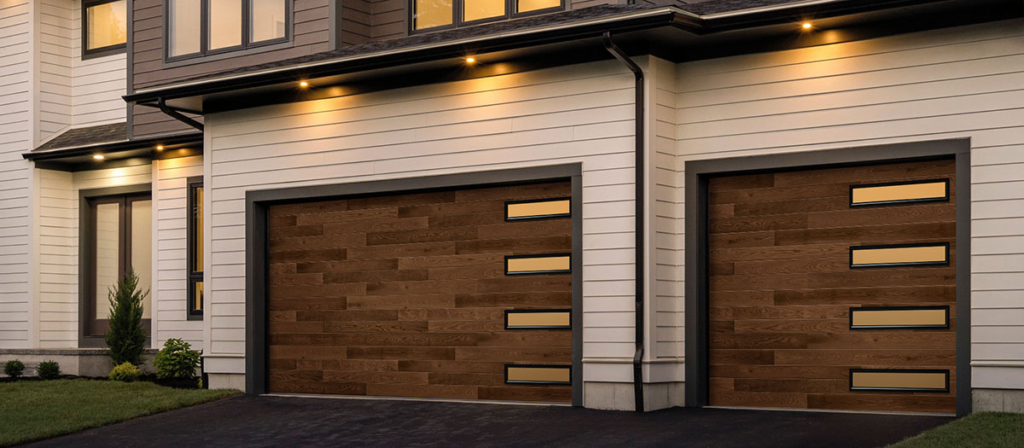
A garage door is not a separate object floating beside the house. It is part of the architecture. Overhead Door says the garage door should act as an extension of the home’s personality, while Clopay and Wayne Dalton both frame the decision around matching the door to the house style first, then refining material, finish, and details. That is useful advice because many disappointments happen when homeowners start with a catalog favorite instead of the home they already own.
Would a sleek full view glass door look impressive on some homes? Absolutely. Would it look right on every house? Not even close. The same goes for carriage house doors, rustic woodgrain finishes, oversized windows, or decorative hinges. A strong garage door choice usually feels like it belongs there. It supports the roofline, trim, siding, stone, stucco, or brick instead of fighting for attention.
You should also remember that style and practicality are connected. Precision and Overhead Door both point out that homeowners often have to balance aesthetics with durability, insulation, upkeep, and cost. That does not mean you have to sacrifice design. It means the smartest choice usually comes from finding the version of a style that suits both your home and your habits.
Start With The Style Your House Already Has
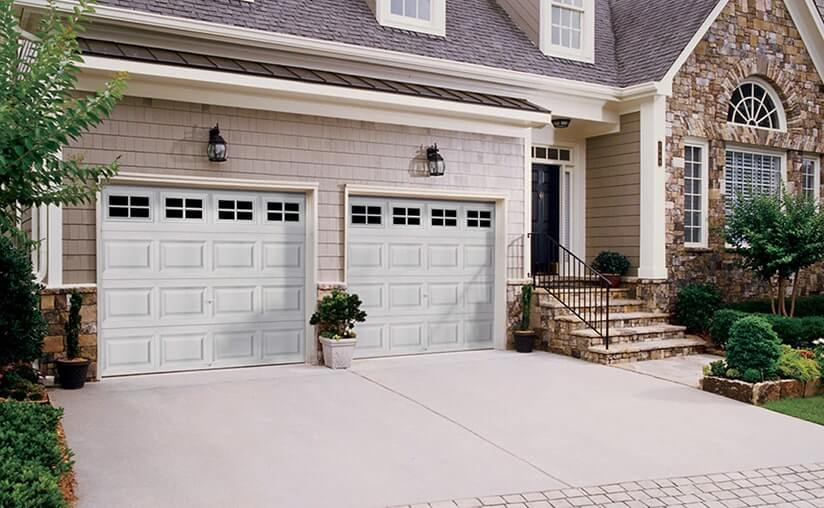
If your house has a traditional or ranch look, raised panel doors and classic sectional styles are usually the easiest fit. Clopay specifically points to raised panel doors as a natural match for Colonial, Ranch, and other traditional homes, while Wayne Dalton notes that ranch style homes often work well with wide, classic door layouts that complement the home’s elongated shape.
For these homes, you should not overcomplicate the front elevation. Clean panel patterns, restrained windows, and colors that tie into trim or siding usually look more natural than dramatic design moves. A timeless choice often ages better than a bold one when the rest of the house leans traditional.
Craftsman And Farmhouse Homes Can Handle More Character
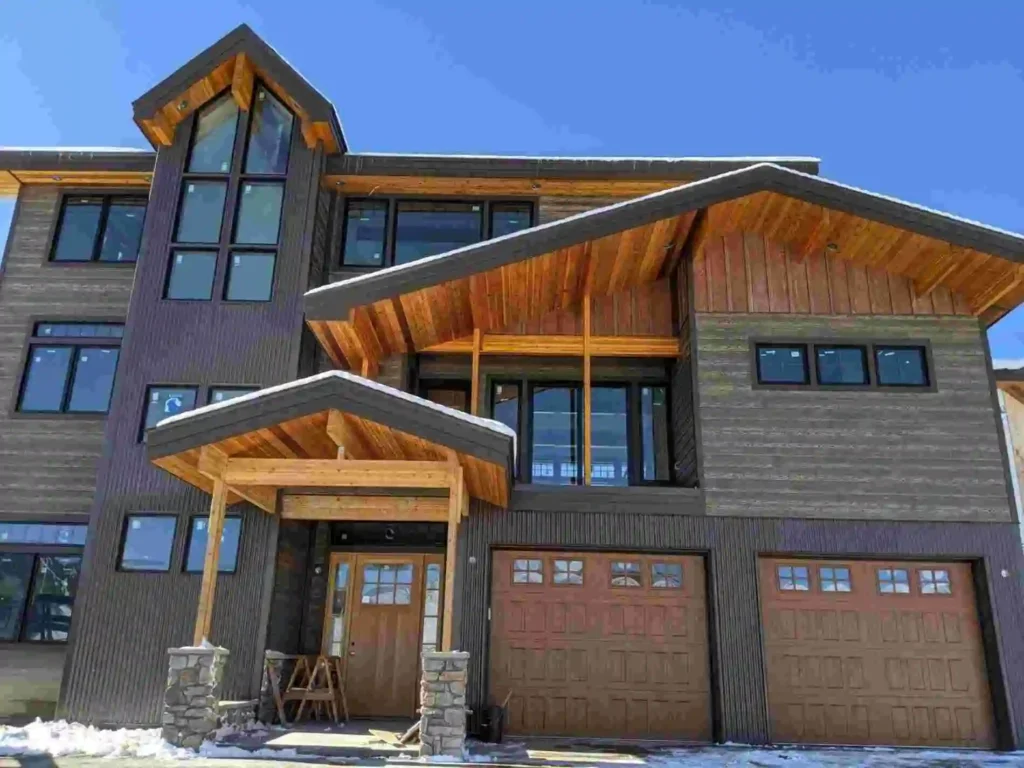
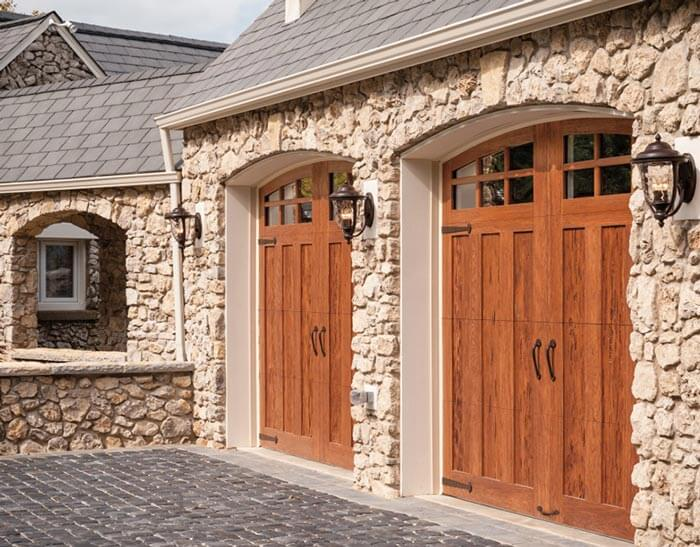
Craftsman and farmhouse homes tend to welcome more detail, especially when that detail feels structural rather than decorative for its own sake. Clopay recommends carriage house doors for farmhouse and Craftsman homes, often with divided light windows, earthy colors, natural wood tones, or hardware that nods to older utility doors. Overhead Door also describes carriage house styles as versatile and popular across many architectural types.
This is one of the easier places to make a mistake, though. If the house already has strong trim lines, brackets, shutters, and textured finishes, you do not need to pile every decorative garage door feature on top of that. You should choose one clear direction and keep the rest supportive. Too many accents can make the front of the home feel busy instead of charming.
Contemporary And Midcentury Homes Usually Need Restraint
What kind of door belongs to a clean lined home that already has a strong point of view?
Usually, the answer is a door that stays disciplined. Clopay says modern homes often pair best with full view aluminum doors, flush panels, black or gray finishes, and clean geometry. Wayne Dalton makes a similar case for aluminum, glass, flush wood, and other minimalist looks on midcentury homes, where the door should echo the architecture rather than interrupt it.
If your house leans contemporary, you should be careful with faux carriage details, ornate hardware, and small traditional window grids. Those elements can work beautifully on another home style, but on a modern exterior they often feel like a costume change. Clean surfaces, balanced proportions, and controlled color usually do more for this style than ornament ever could.
Mediterranean And Tudor Homes Need The Right Kind Of Drama
Mediterranean and Tudor homes can carry more contrast and texture, but they still need the right type of detail. Wayne Dalton notes that Mediterranean styles often use darker doors against lighter exteriors, while Tudor looks often lean into dark tones and diagonal or wood styled detailing. These homes can handle visual weight, but the door still needs to feel tied to the masonry, stucco, beams, and roof shape around it.
Pick A Material That Makes Sense For Your Exterior
When homeowners compare residential garage doors, steel comes up again and again because it covers a lot of ground. Overhead Door’s material guide lists steel among the most practical options for aesthetics, security, and function, while Precision notes that steel tends to offer durability with lower upkeep than wood. That makes it a useful choice for homeowners who want classic panels, carriage house styling, or insulated construction without signing up for heavy maintenance.
Steel also gives you flexibility in finish. If you want a painted traditional look, a woodgrain appearance, or a carriage house style with insulation, steel often makes that easier. That does not make it the right answer for every house, but it is one of the broadest options when you want design range and practical durability in the same package.
Wood And Faux Wood Bring Warmth, But They Ask More Of You
Would real wood look beautiful in the right house? Of course. But beauty is only one part of the decision. Wayne Dalton points out that custom wood is often a natural fit for homes with strong craftsmanship, while Precision notes that wood offers classic beauty but generally requires more care than steel. If you love warmth and texture, wood or faux wood can be the right direction, but you should be honest with yourself about upkeep before you commit.
Faux wood options can be a smart compromise for homeowners who want that richer look without the same maintenance burden. Precision’s faux wood guide notes that several durable materials can be used to mimic real wood appearance while changing the upkeep and performance profile. That can be especially helpful when you want a farmhouse, carriage house, or Craftsman character without turning the garage door into a high maintenance project.
Aluminum And Glass Work Best When The House Already Speaks Modern
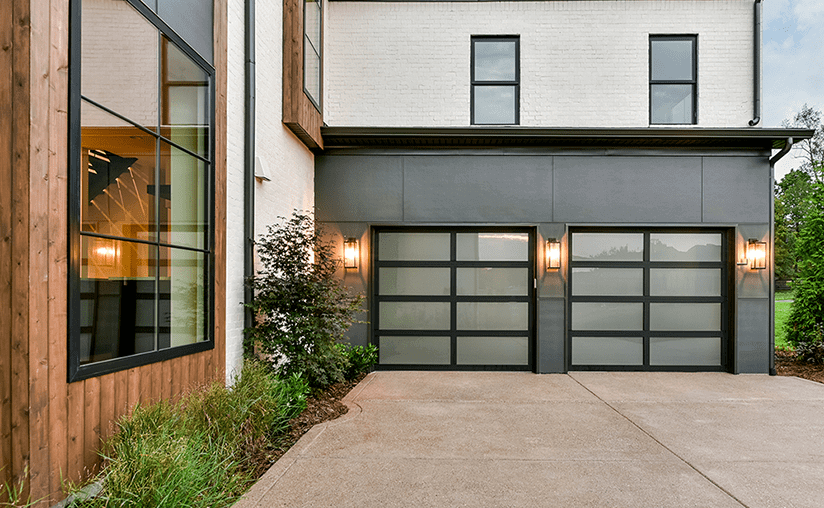
Aluminum and glass doors are not just modern because they use glass. They are modern because of how they handle light, proportion, and clean framing. Clopay and Wayne Dalton both describe full view or frameless glass doors as especially suited to modern and midcentury homes, where the door can echo large windows and clean geometry already present in the architecture.
You should think carefully before using this look on a traditional house. A sharp aluminum frame can feel disconnected beside brick arches, cottage trim, or farmhouse detailing. It is usually strongest when the house already has the same visual language somewhere else on the exterior.
Let Windows, Color, And Hardware Support The Design
A garage door without windows can feel solid, simple, and quiet. Add windows, and the entire mood changes. Clopay, Overhead Door, and Grand Valley’s product pages all emphasize window options as one of the biggest ways homeowners customize the look of the door. The important part is choosing a window pattern that matches the architecture instead of treating windows like decoration you tack on at the end.
For Craftsman and carriage house styles, divided light windows often feel right because they echo the home’s existing detail. For modern homes, long horizontal glass or full view glass usually makes more sense. You should also pay attention to where the windows sit. A good pattern feels intentional from the street, not randomly placed.
Color Should Connect, Not Compete
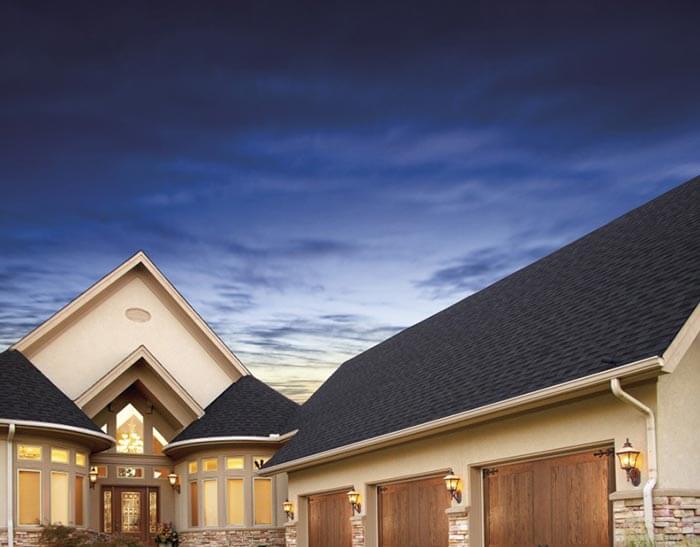
Color is where many garage door decisions go sideways. Clopay advises matching colors and finishes to the home’s architectural style and to the siding, trim, and roof, while Wayne Dalton’s color guide shows how neutral tones like white, gray, black, beige, and brown remain common choices across many styles. In practice, that means your door does not have to disappear, but it should belong to the same palette as the rest of the house.
You should ask yourself one simple question before choosing a bold finish. Is the garage door supposed to be the feature, or is the house already making its point somewhere else? On some homes, contrast looks sharp and intentional. On others, it pulls attention away from the front entry, windows, or stonework in a way that feels unbalanced.
Decorative Hardware Only Works When It Truly Fits
Handles, straps, and hinge style details can add charm when they suit the architecture. They can also look forced when they do not. Carriage house and farmhouse designs often benefit from hardware because it reinforces the style language. Modern and many traditional homes usually do better with a lighter touch. Overhead Door and Clopay both present hardware as a design option, but the strongest results still depend on whether the house can carry that detail naturally.
Make Sure The Door Fits The Way You Actually Live
A beautiful door that feels wrong every winter or summer is not really the right choice. Precision, Overhead Door, and Grand Valley all point to insulation and energy related comfort as important parts of the decision, especially when the garage is attached to the house or used as more than a place to park. If the garage shares walls with living space or sits under a bedroom, insulation is not just a technical feature. It can affect comfort and noise in daily life.
This is where professional installation matters too. Even a good looking insulated door can underperform if alignment, sealing, hardware setup, and fit are not handled properly. Design should never be separated from how the door will function once it is opened and closed day after day.
Climate And Upkeep Should Shape The Final Choice
You should choose with your actual environment in mind. Wayne Dalton specifically notes that material choice should reflect maintenance and upkeep, while local providers like Grand Valley focus on durable, stylish, and energy efficient options for homeowners in Western Colorado. That is a practical reminder that a design decision also has to survive weather, dust, temperature swings, and the amount of maintenance you are honestly willing to do.
Proportion Is Easy To Overlook And Hard To Fix Later
Sometimes the style is right and the color is right, but the final result still feels off. Proportion is often the missing piece. Window placement, panel scale, rail spacing, trim width, and the size of decorative details all affect how the door reads from the street. Modern homes usually want simpler, longer lines. Traditional homes often tolerate more panel definition. Doors should relate to the massing of the house, not just the width of the opening.
Common Mistakes That Throw Off The Whole Exterior
The most common mistake is chasing a style because it is popular right now. Overhead Door, Clopay, and Precision all give homeowners tools or guidance to visualize doors on the actual home for a reason. A garage door may look great in a sample photo and still look wrong once it meets your siding color, roofline, trim, and driveway view.
Another mistake is layering too many design signals into one door. Carriage hardware, faux wood finish, busy windows, bold color, and heavy paneling rarely all belong together. You should decide what the home is already saying, then choose a door that supports that message instead of competing with it.
Before you choose, run through this short filter.
- Match the door style to the home style first
- Pick a material you can live with over time
- Choose windows and hardware that support the architecture
- Use color to connect the door to the rest of the exterior
- View the door on your own home before making the final call
That simple process can keep you from making a rushed decision that feels expensive the moment the installation is done.
Conclusion
Choosing a garage door that fits your home design is really about making one part of the house speak the same language as the rest. The strongest choices usually come from reading the architecture honestly, then matching style, material, windows, color, insulation, and proportion to that foundation. Competitor guidance from major door brands keeps pointing back to that same idea because it works.
If you want your house to feel complete from the curb, you should not start by asking which door is most impressive on its own. You should ask which door makes the whole home look more settled, more balanced, and more like itself. That is usually the decision that holds up best over time and gives clients the confidence to move forward without second guessing the result.
FAQ’s
Should I match my garage door to the front door?
Not exactly. The two should feel related, but they do not have to be identical. It is usually better to connect them through color family, finish, or style rather than forcing a perfect match.
Are windows worth adding to a garage door?
They can be, especially if they support the architecture of the home. Windows often add character and light, but the pattern and placement should fit the overall design.
Which garage door style works best on a modern home?
Modern homes usually look best with clean lines, restrained detailing, and materials like aluminum, glass, or flush panel steel that echo the home’s geometry.
Is wood always the best choice for a high end look?
No. Wood can look beautiful, but faux wood and well finished steel can also deliver a strong upscale appearance with less maintenance.
How can I tell if a garage door color is too bold for my house?
If the garage door starts pulling attention away from the entry, windows, or main architectural features, it is probably doing too much. A good color choice should feel intentional and connected to the rest of the exterior.
Garage Doors That Match Your Home And Look Right From The Start
→ Style guidance to help you choose a door that fits your home’s design
→ Quality options in materials, colors, and window styles that suit your exterior
→ Expert installation and dependable service for a smooth, stress-free upgrade
Find a garage door that looks right, works well, and feels like it truly belongs with your home.
★★★★★ Rated 4.9/5 by 129 Homeowners Who Trust Us for Expert Garage Door Solutions
Related Articles:
Choosing the Right Color and Style for Your Garage Door
The Most Common Garage Door Repairs in Delta County (And How to Avoid Them)